



The Psychology of Emotional Breadcrumbing
January 5, 2025
It is one of the most frustrating realizations in adult life: you look back at your dating history and notice that despite the different names, faces, and backgrounds, you have essentially been dating the same person for a decade. Perhaps you always find yourself with someone who is emotionally unavailable, someone who needs "fixing," or someone who eventually becomes hyper-critical. We often joke that we have a "type," as if it's a quirky preference like a favorite color. But from a psychological standpoint, this repetition is rarely about preference; it is about familiarity. We don't attract who we want; we attract what we are subconsciously prepared to handle. We are drawn to people who match our internal "love map"-a blueprint of what a relationship is supposed to feel like, constructed in our earliest years.
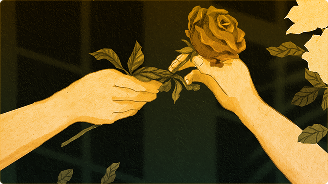
At the heart of this phenomenon is a concept called "Repetition Compulsion." This is the subconscious drive to recreate a past trauma or a difficult dynamic in the hopes that this time, we can change the outcome. If you had a parent who was difficult to please, you may find yourself attracted to "difficult" partners. Your adult self is trying to "win" the love you didn't feel you fully received as a child. You think, "If I can get this person to finally choose me, the original wound will be healed." The problem is that we are choosing people who are specifically equipped not to give us what we need, precisely because they mirror the original source of the pain. We are trying to put out a fire with gasoline.
The Psychology of Emotional Breadcrumbing
January 5, 2025

The Psychology of Why We Self-Sabotage Success
September 2, 2025

The Hidden Benefits of Failure
June 29, 2025
There is also the factor of "Role Consistency." We often attract the same type of person because we are playing the same role. If you are a "Rescuer"-someone who derives their sense of worth from being helpful and indispensable-you will naturally attract "Projects"-people who are in crisis or lack direction. You might complain that you always end up with "losers," but on a subconscious level, a healthy, self-sufficient partner might actually feel threatening to you because they don't need you to save them. We stay in these loops because they feel "safe," even when they are miserable. There is a strange comfort in a predictable kind of pain compared to the terrifying uncertainty of a healthy, unfamiliar connection.
Breaking the cycle requires a shift from external blame to internal inventory. Instead of asking, "Why are all men/women like this?" we must ask, "What part of me feels at home in this dynamic?" This involves identifying your "Relationship Minimums." Often, we attract the same type because we have a high tolerance for low-quality behavior. We mistake "drama" for "passion" and "anxiety" for "chemistry." When you meet someone who doesn't trigger your old wounds, you might initially find them "boring." You have to realize that this "boredom" is actually the feeling of safety. You have to retrain your nervous system to seek out peace rather than the familiar adrenaline of a struggle.
Another vital step is "Interrupting the Script." Once you identify your pattern, you have to consciously choose the opposite of your "type." If you usually go for the charismatic, mysterious person who takes three hours to text back, try going for the consistent, transparent person who tells you exactly how they feel. It will feel unnatural at first-almost like writing with your non-dominant hand. But by staying in the discomfort of a new dynamic, you are building new neural pathways. You are proving to your subconscious that you can survive a relationship that doesn't require you to "earn" your place or fix someone else's life.
Ultimately, we stop attracting the same type of person when we stop being the same version of ourselves. When you heal the original wound that made the "toxic" pattern feel like home, that type of person no longer has a "hook" to latch onto in your psyche. They become uninteresting to you, and you become uninteresting to them. You realize that your "type" was never a destination, but a symptom. By choosing yourself first-by becoming your own rescuer and your own source of validation-you finally open the door to a partner who isn't a mirror of your past, but a companion for your future.